Hungarian citizens are allowed to distill up to 86 liters of fruit brandy (pálinka) per year for personal use without paying excise tax, the National Tax and Customs Administration (NAV) confirmed in a statement released Monday via the Hungarian news agency MTI.
The tax exemption is available to private individuals aged 18 or older who grow their own fruit, and applies per person within a household, meaning multiple eligible residents can pool their allowances.
NAV emphasized that the law permits either private distillation at home or contracted distillation at a commercial facility in a given year—but not both.
Additionally, private distillation must take place using a still with a maximum capacity of 100 liters, which must be either solely or jointly owned and registered with the local municipality upon acquisition. Owners must also report any changes to the equipment’s registration within 15 days.
Although no special excise license is required to own a still, the acquisition document must be retained and presented during inspections. Furthermore, all distillation activities—such as the intent to produce spirits and the creation of homemade equipment—must be reported to NAV using designated forms (NAV_J37 and NAV_J49), either in paper form or via the Online Form Filling Application (ONYA). Upon registration, NAV issues a certificate verifying the legal origin of the homemade spirit.

Photo: Facebook/Brill Pálinkaház
Importantly, homemade pálinka may only be consumed by the distiller, their family, or guests. Its sale is prohibited except to authorized tax warehouses.
The liberal Hungarian regulation on home distillation marks a significant national exception within the EU. In fact, the European Union previously sought to ban or heavily restrict tax-free private distillation, citing harmonized excise duty standards and safety concerns.
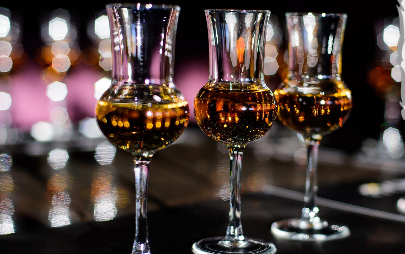
Hungary’s strong tradition of pálinka-making, however, led to intense public and political backlash when the EU attempted to enforce stricter rules in the early 2010s. The dispute culminated in a 2014 European Court of Justice ruling, which found Hungary in breach of EU law for allowing tax-free home distillation. Nevertheless, after negotiations and amendments to the rules—such as mandatory registration and stricter controls—Hungary was able to preserve the essence of its home distillation culture within a regulated framework.

Photo: Facebook/Pálinka Nemzeti Tanács
Today’s legislation reflects a compromise between EU legal requirements and Hungarian cultural tradition, balancing public safety, taxation, and national heritage.
Via MTI; Featured image: Pixabay
The post Distill Nation: Hungary Holds On to Home-Brew Pálinka Privilege appeared first on Hungary Today.





